c. 64 to 2026
St. Peter's Basilica
How the tomb of a fisherman became the greatest church in Christendom.
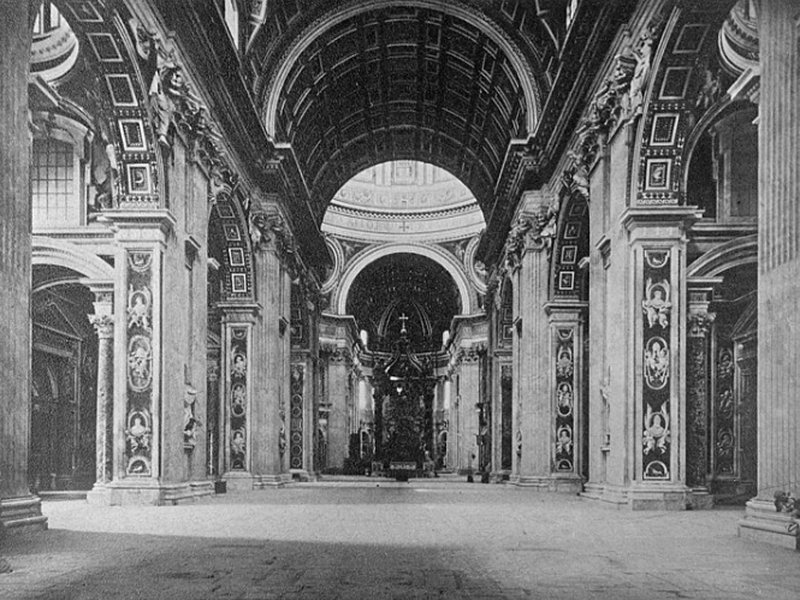
St. Peter's stands where tradition says the apostle was buried after his martyrdom. Constantine built the first basilica over his grave, and more than a thousand years later the popes tore it down to build a new one. Bramante, Raphael, Michelangelo, Maderno and Bernini all left their mark. This timeline follows the basilica from Peter's tomb to its four hundredth anniversary.
The apostle's tomb · c. 64 to 800
c. 64St. Peter is martyred in Nero's circus on the Vatican hill.
Tradition says he was crucified upside down, judging himself unworthy to die as Christ did. He was buried in a cemetery beside the circus.
c. 160Christians build a small shrine over Peter's grave.
Around the year 200 a Roman priest named Gaius wrote: I can show you the trophies of the apostles. If you go to the Vatican you will find them.
c. 320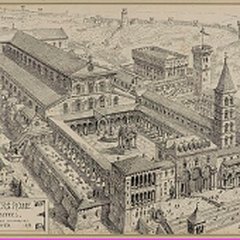
Emperor Constantine builds the first St. Peter's over the tomb.
His builders cut into the hillside and filled in the cemetery so the high altar would stand right above the apostle's grave. The basilica stood for more than eleven hundred years.
800Charlemagne is crowned emperor in Old St. Peter's on Christmas Day.
Pope Leo III placed the crown on his head. For centuries emperors came to St. Peter's to be crowned.
A new basilica · 1452 to 1564
1452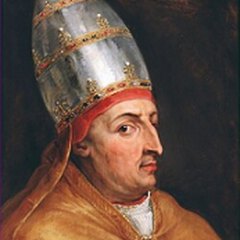
Pope Nicholas V plans to rebuild the crumbling old basilica.
Its walls were leaning dangerously. Work began on a new choir, but it stopped at his death in 1455.
1499Michelangelo finishes the Pietà for a chapel at Old St. Peter's.
He was about twenty-four. It is the only work he ever signed, carving his name on the sash across Mary's chest.
1506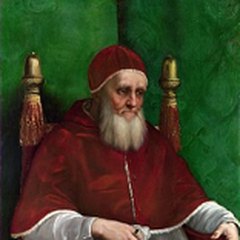
Pope Julius II lays the foundation stone of the new St. Peter's on April 18.
He chose a bold design by Donato Bramante, a Greek cross under a vast dome. The old basilica was demolished bit by bit as the new one rose.
1514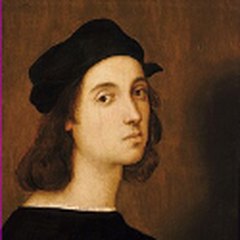
Raphael becomes architect after Bramante's death.
He proposed a longer nave in the shape of a Latin cross. He died in 1520, and the work passed through several hands.
1517Indulgences preached to fund the building stir Martin Luther to protest.
Luther posted his Ninety-five Theses on October 31. The building of St. Peter's became tangled with the start of the Reformation.
1547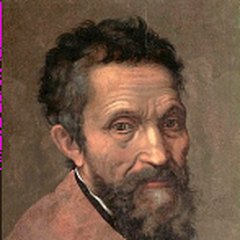
Michelangelo takes charge at seventy-one.
Pope Paul III appointed him. He refused any pay, saying he worked for the love of God and St. Peter. He returned to Bramante's central plan and designed the great dome, but died in 1564 before it was raised.
Dome, nave and square · 1586 to 1667
1586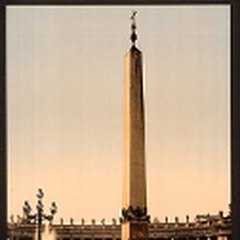
The Vatican obelisk is moved to the center of the square and raised on September 10.
Domenico Fontana used about nine hundred men and 140 horses. Pope Sixtus V had a cross set on top.
1590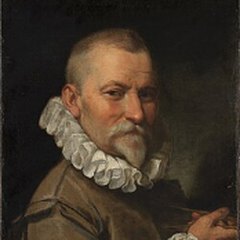
The dome is finished by Giacomo della Porta and Domenico Fontana.
They followed Michelangelo's design and closed it in about twenty-two months. The cross on top stands about 136 meters above the floor.
1607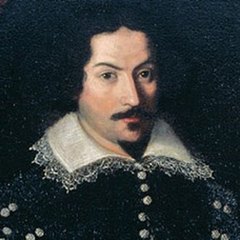
Carlo Maderno lengthens the nave and builds the façade.
Pope Paul V wanted room for great crowds and to cover the whole area of the old basilica. The longer nave partly hides the dome from the square. Paul V's name runs across the façade.
1626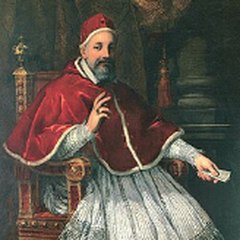
Pope Urban VIII consecrates the new basilica on November 18.
The date marked 1,300 years since the traditional dedication of Constantine's basilica. The building had taken 120 years.
1633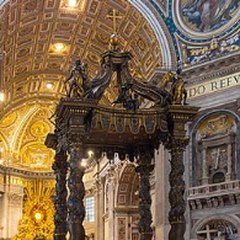
Bernini's bronze baldacchino is unveiled over the high altar.
Its twisted columns rise nearly thirty meters, right above Peter's tomb. A Roman joke said that what the barbarians did not do, the Barberini did, because of a story that the pope took bronze from the Pantheon.
1656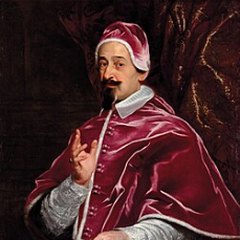
Bernini begins the colonnade of St. Peter's Square for Pope Alexander VII.
He said its curving arms were like the motherly arms of the Church, embracing the faithful. It has 284 columns topped by 140 statues of saints. In 1666 Bernini also finished the Chair of St. Peter in the apse.
Modern times · 1939 to 2026
1939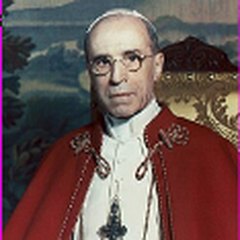
Pius XII orders excavations beneath the basilica.
Archaeologists found the ancient cemetery and the second-century shrine. On December 23, 1950, the pope announced that the tomb of the Prince of the Apostles had been found.
1962The Second Vatican Council opens in the nave on October 11.
More than two thousand bishops sat in tiered seats along the length of the basilica.
1968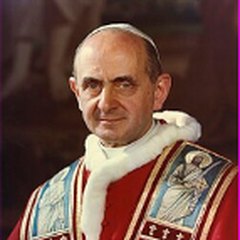
Pope Paul VI announces on June 26 that bones found near the tomb are identified as St. Peter's.
He said they had been identified in a way we can consider convincing. Some of the relics were later displayed for the faithful.
1972A man attacks the Pietà with a hammer on May 21, Pentecost Sunday.
He struck it fifteen times, breaking Mary's arm and nose. It was carefully restored and now stands behind glass.
2026The basilica marks four hundred years since its consecration on November 18, 1626.
Every year millions of pilgrims come to pray at the tomb of St. Peter.