c. 270 to 2018
Monasticism
The men and women who left the world to seek God, and how they kept faith and learning alive.
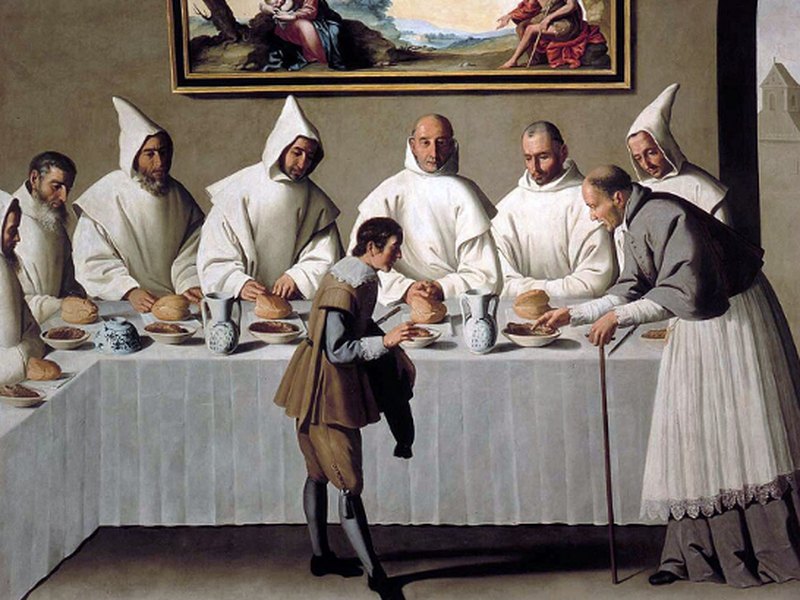
Monks began as hermits in the deserts of Egypt. Over the centuries their communities copied the books of the ancient world, cleared forests, ran schools and hospitals, and prayed the psalms day and night. This timeline follows monastic life from St. Anthony to the martyrs of our own time.
The desert and the first rules · c. 270 to c. 415
c. 270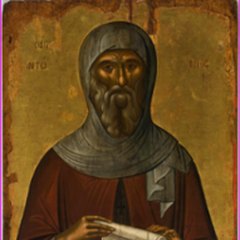
St. Anthony gives away everything and goes into the Egyptian desert.
He heard the Gospel read in church: If you would be perfect, go, sell what you have. St. Athanasius's Life of Anthony spread his example across the Christian world, and Augustine heard about it shortly before his own conversion.
c. 320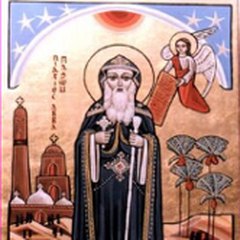
St. Pachomius founds a monastery where monks live, work and pray together.
At Tabennisi in Upper Egypt he wrote the first rule for monks living in community. By his death thousands followed it.
c. 358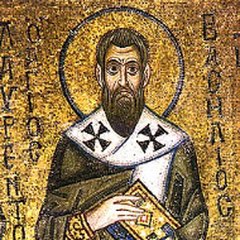
St. Basil the Great writes his rules for monks.
Basil believed monks should live in community, where they could practice charity. His rules still guide most monks of the Eastern churches.
361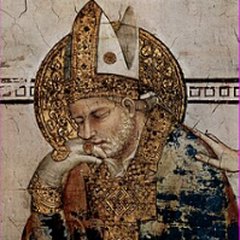
St. Martin of Tours founds the first monastery in Gaul at Ligugé.
A former Roman soldier, Martin later founded Marmoutier near Tours after becoming its bishop.
c. 415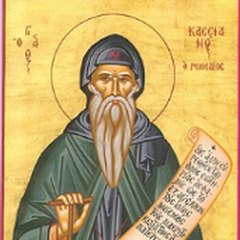
John Cassian founds monasteries at Marseille and writes down the wisdom of the desert.
His Institutes and Conferences brought the teaching of the Egyptian monks to the West. St. Benedict later told his monks to read them.
Benedict and the West · c. 529 to 731
c. 529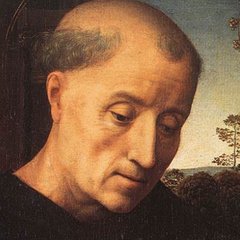
St. Benedict founds Monte Cassino and writes his Rule.
Its motto is often summed up as pray and work. Moderate and practical, the Rule became the pattern for monks across Europe. His twin sister, St. Scholastica, led a community of women nearby.
563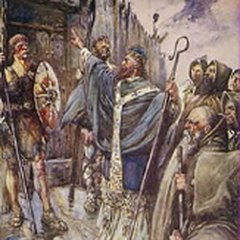
St. Columba founds the monastery of Iona off the coast of Scotland.
From Iona monks carried the faith to the Picts of Scotland and to northern England.
c. 590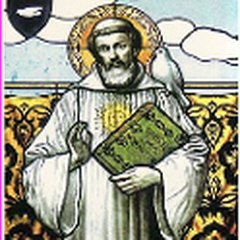
St. Columbanus leaves Ireland and founds Luxeuil in France.
Irish monks like him founded monasteries across Europe, from Bobbio in Italy to St. Gall in Switzerland.
731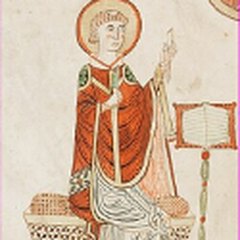
St. Bede, a monk of Jarrow, finishes his Ecclesiastical History of the English People.
Bede spent nearly his whole life in his monastery. His history is the main source for early English Christianity, and it helped spread dating by the years of Our Lord.
Reform and renewal · 910 to 1136
910The abbey of Cluny is founded on September 11.
Its founder, Duke William of Aquitaine, placed it under the protection of the pope alone, free from local lords. Cluny grew into a network of hundreds of houses and led a reform of the whole Church.
1084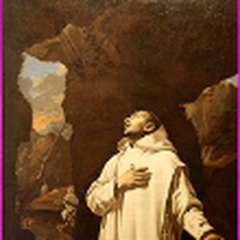
St. Bruno founds the Carthusians in the mountains of the Grande Chartreuse.
Carthusians live largely as hermits in their own cells. They say of themselves that they were never reformed because they were never deformed.
1098The monastery of Cîteaux is founded to live the Rule of St. Benedict more strictly.
St. Robert of Molesme led the founders. The new Cistercian order stressed poverty, silence and manual labor.
1115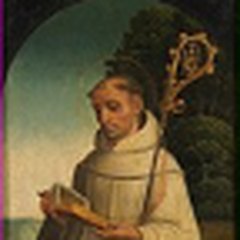
St. Bernard founds Clairvaux.
He had joined Cîteaux with about thirty relatives and friends. By his death in 1153 the Cistercians had more than three hundred abbeys.
1136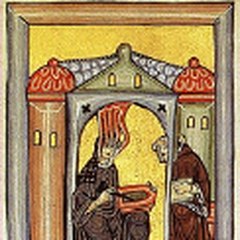
St. Hildegard of Bingen is chosen to lead her community of nuns.
She wrote on theology, medicine and nature and composed music still sung today. She was named a Doctor of the Church in 2012.
Suppression and return · 1536 to 1848
1536Henry VIII begins dissolving England's monasteries.
By 1541 more than eight hundred houses had been closed and their lands seized. Many abbeys were left in ruins.
1664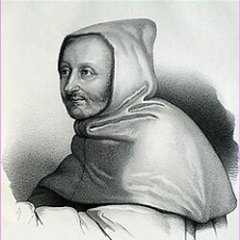
Armand de Rancé reforms the abbey of La Trappe.
A worldly abbot who had a conversion, he led his monks in a strict life of silence, prayer and work. His followers became known as Trappists.
1790The French Revolution abolishes religious vows and closes the monasteries.
Many monks and nuns were driven into exile, and some, like the Carmelite nuns of Compiègne, were executed.
1833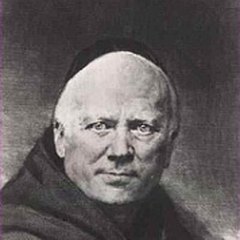
Dom Prosper Guéranger brings Benedictine life back to Solesmes.
Solesmes led the revival of Gregorian chant and of the liturgy, and its monks restored the ancient melodies from medieval manuscripts.
1846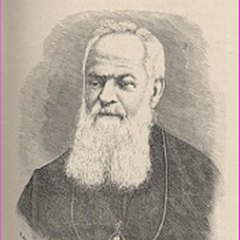
Boniface Wimmer founds St. Vincent Archabbey in Pennsylvania, the first Benedictine monastery in the United States.
He came from Bavaria to serve German immigrants. His monks went on to found abbeys and schools across the country.
1848Trappist monks from France found the Abbey of Gethsemani in Kentucky.
It is the oldest monastery in the United States still in use.
Our own time · 1941 to 2018
1941Thomas Merton enters Gethsemani on December 10.
His autobiography, The Seven Storey Mountain, became a best seller in 1948 and drew many young men to monasteries.
1964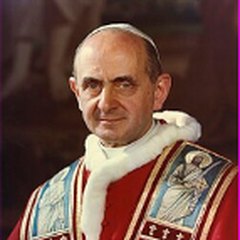
Paul VI names St. Benedict patron of Europe.
He praised the monks for carrying the cross, the book and the plow to the peoples of Europe.
1996Seven Trappist monks of Tibhirine in Algeria are kidnapped and killed.
They had chosen to stay with their Muslim neighbors during the civil war. They were beatified in 2018 in Oran.