800s to 2002
The Rosary
How a string of beads became the best-known Catholic prayer.
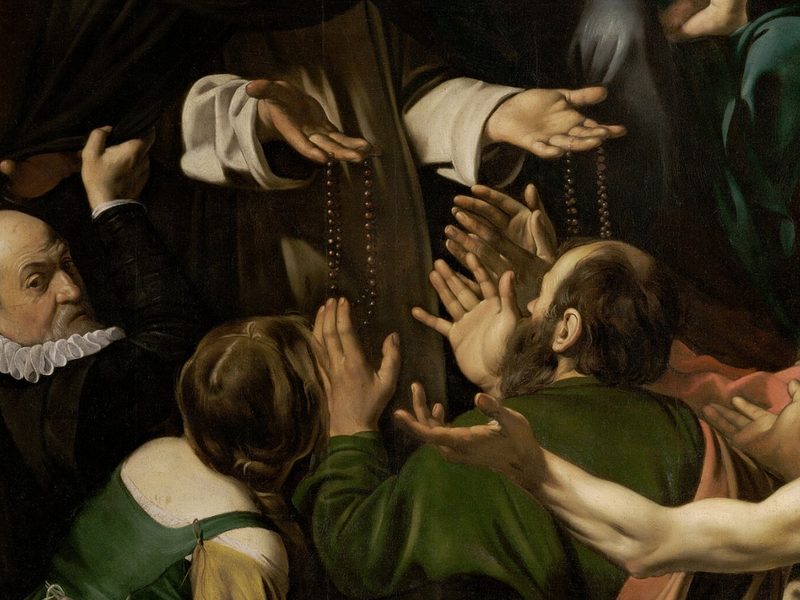
For centuries Catholics have prayed the rosary on a loop of beads, repeating the Hail Mary while thinking about the lives of Jesus and Mary. It grew slowly out of medieval ways of counting prayers, took its classic shape in the 1500s, and gained new mysteries in 2002. Popes, saints and the apparitions at Lourdes and Fatima helped make it a prayer known around the world.
Prayer beads and psalters · 800s to 1475
800s to 1100sCounting prayers: monks pray the psalms, and lay people who cannot read pray Our Fathers in their place.
Monasteries sang the whole Book of Psalms each week. Lay brothers and ordinary Christians, most of whom could not read Latin, were encouraged to pray the Our Father in its place, often counted on knotted cords or strings of beads. By the 1200s, makers of these strings had their own guilds in cities such as Paris and were known as paternosterers.
1100s to 1200s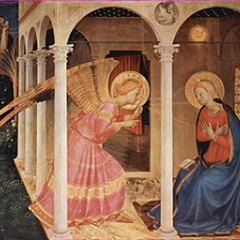
The Hail Mary spreads as a prayer, and sets of 150 become known as Our Lady's Psalter.
At first the Hail Mary was only the greetings of the angel Gabriel and of Elizabeth from Luke's Gospel. Devotion to Mary grew in the twelfth and thirteenth centuries, and people began praying it in sets of fifty or one hundred fifty to match the psalms. The closing petition, Holy Mary, Mother of God, was added later and fixed in the 1500s.
c. 1210sSt. Dominic, by a long tradition, receives the rosary from Mary while preaching in southern France.
Dominic founded the Order of Preachers and worked against the Albigensian heresy. The story that Mary gave him the rosary became widely known only in the 1400s, and historians see it as a pious tradition rather than a recorded event. Still, his Dominican brothers became the rosary's great promoters, and popes honored that link for centuries.
c. 1409Dominic of Prussia, a Carthusian monk, joins a thought about Christ's life to each Hail Mary.
Dominic of Prussia wrote fifty short phrases on the life of Jesus, one to add after the name of Jesus in each Hail Mary. This turned a string of repeated prayers into a meditation on the Gospel. Over time these many phrases were simplified into the handful of mysteries prayed today.
c. 1470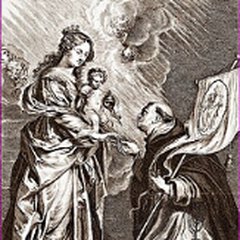
Alan de la Roche, a Dominican, preaches the rosary and founds the first Rosary Confraternity.
Alan de la Roche, also called Alanus de Rupe, preached the rosary across northern France and the Low Countries and spread the story of Mary giving it to St. Dominic. His confraternity at Douai, and another founded at Cologne in 1475, enrolled thousands of members who promised to pray it regularly.
The rosary takes shape · 1569 to 1716
1569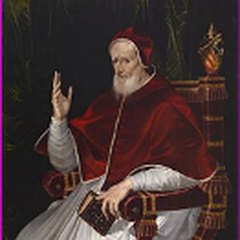
Pius V, a Dominican pope, sets the standard form: 150 Hail Marys in 15 decades, with 15 mysteries.
In the bull Consueverunt Romani Pontifices, Pius V gave the rosary official approval and described it much as Catholics knew it for the next four centuries: fifteen decades, each an Our Father and ten Hail Marys, prayed while meditating on the life of Christ. These became the fifteen Joyful, Sorrowful and Glorious mysteries.
1571Battle of Lepanto: as Rome prays the rosary, the Holy League defeats the Ottoman fleet on October 7.
Pius V had asked Christians to pray the rosary for the outcome of the battle off the coast of Greece. He credited the victory to Mary's help and set up a yearly feast of Our Lady of Victory. Lepanto has been linked with the rosary ever since.
1573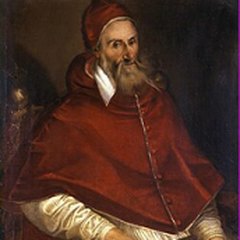
Gregory XIII renames the feast the Most Holy Rosary, kept on the first Sunday of October.
Gregory XIII allowed the feast in churches that had an altar dedicated to the rosary. It became a mark of rosary confraternities and Dominican churches, and popular devotion spread it much further over the following century.
1716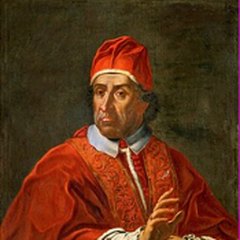
Clement XI extends the Rosary feast to the whole Church after another victory over the Ottomans.
That summer an imperial army under Prince Eugene of Savoy defeated a larger Ottoman force at Petrovaradin, in present-day Serbia. Clement XI saw the hand of Mary in it and made the feast universal, so that every Catholic church kept it each October.
The modern rosary · 1858 to 2002
1858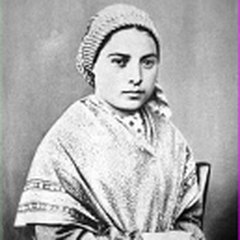
Lourdes: Bernadette Soubirous prays the rosary during the apparitions, and the Lady carries one too.
Bernadette described the Lady holding a rosary and passing the beads through her fingers while Bernadette prayed. Lourdes became one of the world's great places of pilgrimage, and the candlelight rosary procession is still held there every evening through the pilgrimage season.
1883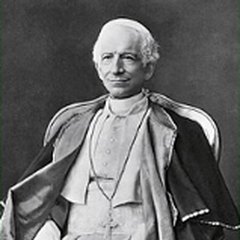
Leo XIII dedicates October to the rosary, the first of about a dozen letters he writes on it.
Leo XIII is often called the Pope of the Rosary. Beginning with Supremi Apostolatus Officio in 1883, he wrote encyclical after encyclical urging families and parishes to pray it, especially through the month of October, a custom that continues today.
1913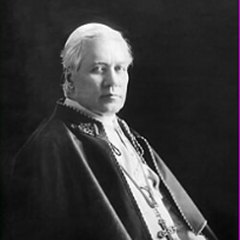
Pius X moves the feast of the Rosary to October 7, the date of Lepanto.
Liturgical reforms under Pius X fixed the feast on the anniversary of the battle instead of the first Sunday of October. In 1960 it was renamed the feast of the Blessed Virgin Mary of the Rosary, and it is kept today as Our Lady of the Rosary.
1917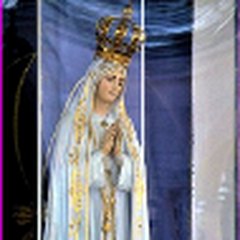
Fatima: Mary asks three shepherd children to pray the rosary every day and calls herself the Lady of the Rosary.
In her appearances in Portugal, the Lady asked Lucia, Francisco and Jacinta to pray the rosary for peace in the world and the end of the war. The children also learned a short prayer that many Catholics now add after each decade.
1942Fr. Patrick Peyton, an Irish-born priest in America, begins his Family Rosary crusade.
Peyton credited Mary with his recovery from tuberculosis and gave his life to promoting family prayer. Using radio, film and huge rallies around the world, he urged families to pray the rosary together, and the slogan the family that prays together stays together, written for him in 1947, became his motto.
1974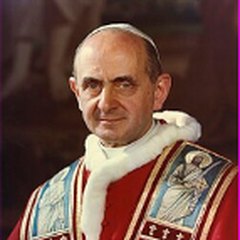
Paul VI writes Marialis Cultus, calling the rosary, in a phrase from his predecessors, a compendium of the entire Gospel.
In this letter on devotion to Mary, Paul VI encouraged a calm, meditative pace for the rosary, with the mind fixed on the scenes from Christ's life. He also praised the family rosary as one of the finest forms of shared prayer at home.
2002John Paul II adds the five Luminous Mysteries and declares a Year of the Rosary.
In Rosarium Virginis Mariae, John Paul II added mysteries from Christ's public life, from his Baptism to the Institution of the Eucharist. With them the rosary now walks through the whole Gospel, from Christ's birth to his glory, in twenty mysteries.