1517 to 1622
The Catholic Reformation
How the Church responded to the Protestant Reformation with doctrine, discipline and new energy.
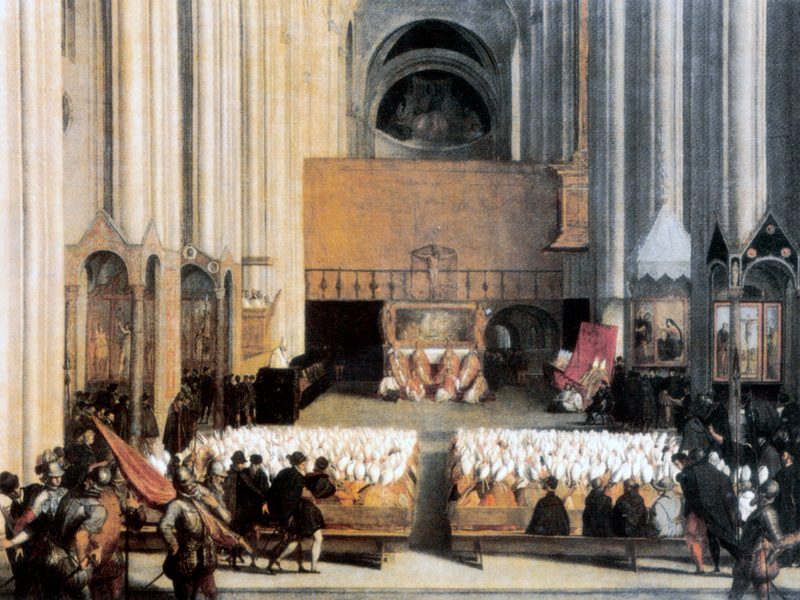
In 1517 Martin Luther's protest began to split Western Christianity. The Catholic Church answered not only by defending its teaching but by reforming itself. The Council of Trent set out doctrine clearly, new orders like the Jesuits sprang up, and saints such as Teresa of Ávila and Charles Borromeo renewed the Church from within.
The break · 1517 to 1534
1517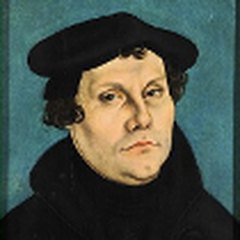
Martin Luther posts his 95 Theses against indulgences.
Luther was an Augustinian friar and theology professor at Wittenberg, angered by the preaching of indulgences by Johann Tetzel. He sent his theses to Archbishop Albert of Mainz, and tradition says he nailed them to the castle church door. Printing presses spread them across Germany within weeks, igniting the Protestant Reformation.
1521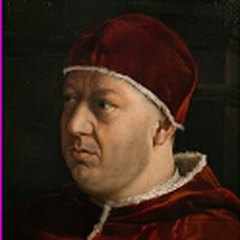
Leo X excommunicates Luther, who refuses to recant at the Diet of Worms.
Pope Leo X excommunicated Luther in January 1521 after Luther burned an earlier papal bull. That spring, before Emperor Charles V at the Diet of Worms, Luther refused to take back his writings unless shown wrong by Scripture and reason. The emperor declared him an outlaw, and friends hid him at the Wartburg castle, where he translated the New Testament into German.
1534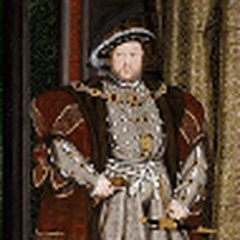
Act of Supremacy makes Henry VIII head of the Church in England.
After the pope refused to annul his marriage to Catherine of Aragon, Henry VIII had Parliament declare him Supreme Head of the Church of England. Those who refused to accept this, including Thomas More and Bishop John Fisher, were executed in 1535. Monasteries were soon dissolved, though Henry kept much traditional doctrine during his lifetime.
The response · 1540 to 1622
1540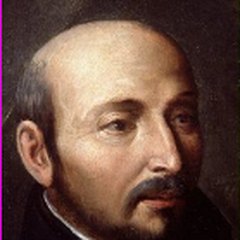
The Jesuits are approved and become leaders in schools, preaching and missions.
Ignatius of Loyola, a Spanish soldier turned priest, gathered companions who vowed to serve wherever the pope sent them. Pope Paul III formally approved the Society of Jesus. Jesuits founded a network of schools and colleges, preached across Europe, and carried the faith to Asia and the Americas, with Francis Xavier reaching India and Japan.
1542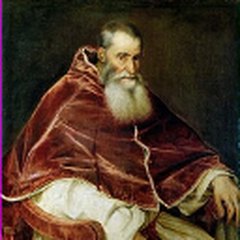
Paul III establishes the Roman Inquisition to guard doctrine.
Facing the spread of Protestant ideas into Italy, Pope Paul III created a congregation of cardinals to oversee the defense of Catholic doctrine. Often called the Holy Office, it judged cases of heresy, including the trial of Galileo in 1633. Its successor today is the Dicastery for the Doctrine of the Faith.
1545Council of Trent opens. Over 18 years it defines Catholic teaching and orders seminaries for priests.
Pope Paul III opened the council in Trent, in northern Italy, and it met in three periods under three popes until 1563. It answered Protestant teachings on Scripture, grace and the sacraments while tackling abuses such as absentee bishops. Its call for seminaries in every diocese transformed how priests were trained for centuries.
1559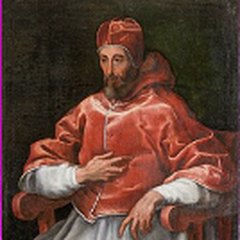
Paul IV issues the Index of Forbidden Books.
Pope Paul IV's index listed books Catholics were forbidden to read, aiming to stop the spread of heresy through print. It was so strict that it was soon replaced by a milder version authorized after the Council of Trent. The Index was revised many times over the centuries and was finally abolished in 1966.
1562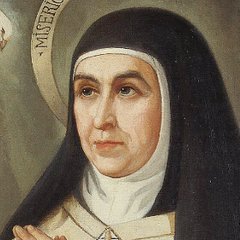
St. Teresa of Ávila founds her first reformed Carmelite convent.
Teresa, a Carmelite nun, wanted a stricter, more prayerful life than her large convent allowed. She opened the small convent of St. Joseph in Ávila and went on to found many more, with St. John of the Cross helping reform the friars. Her writings on prayer made her one of the first women named a Doctor of the Church in 1970.
1564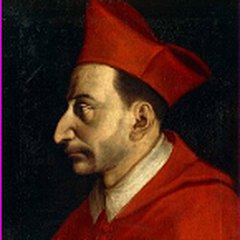
St. Charles Borromeo begins reforming Milan as archbishop, a model bishop of Trent's ideals.
Charles Borromeo, a nephew of Pope Pius IV, had helped bring the Council of Trent to its close. As archbishop he lived in Milan, which many bishops then neglected to do, and set up seminaries, held synods and visited parishes. He cared for the sick during the plague of 1576, survived an assassination attempt, and was canonized in 1610.
1566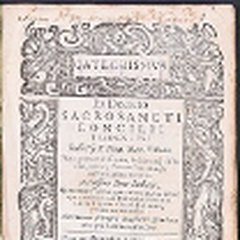
The Roman Catechism is published to teach Trent's doctrine.
The Council of Trent called for a clear handbook of doctrine, and the catechism appeared under Pope Pius V. It was written for parish priests, to help them teach the creed, sacraments, commandments and prayer to their people. It remained a standard reference for centuries and influenced later catechisms.
1570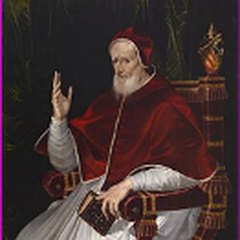
Pius V issues the Roman Missal, the form of the Mass used for four centuries.
Pope Pius V issued the missal with the bull Quo Primum, standardizing the Mass across most of the Latin Church. Rites more than two centuries old were allowed to continue. This form, often called the Tridentine Mass, remained in general use until the missal of Pope Paul VI was introduced after the Second Vatican Council.
1571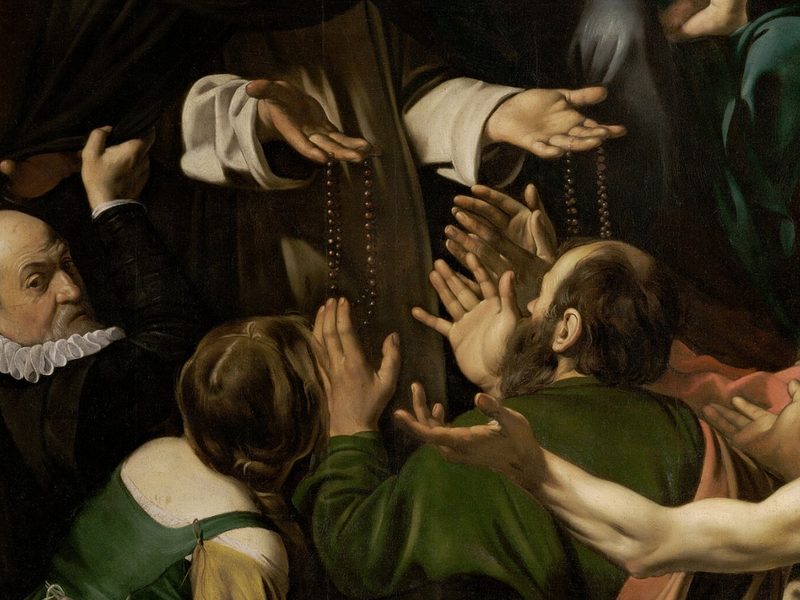
Battle of Lepanto: a Holy League fleet defeats the Ottoman navy.
Pope Pius V formed a Holy League that joined Spain, Venice, the Papal States and others against Ottoman expansion in the Mediterranean. Under Don John of Austria the allied fleet won a crushing victory off western Greece, and the young Miguel de Cervantes was wounded there. The pope credited the Rosary, and the feast of Our Lady of the Rosary grew from the victory.
1622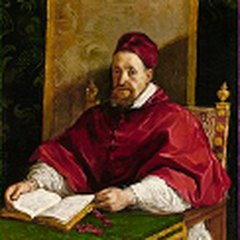
Gregory XV founds the Congregation for the Propagation of the Faith to direct missions.
Pope Gregory XV created this congregation of cardinals, known as Propaganda Fide, to coordinate missionary work around the world. It trained missionaries, oversaw mission territories and later ran a college in Rome for future priests from many lands. It was renamed in 1967 and in 2022 became part of the Dicastery for Evangelization.