1298 to 2025
Doctors of the Church
Saints honored for the depth of their teaching. There are now 38, and here is when key ones were named.
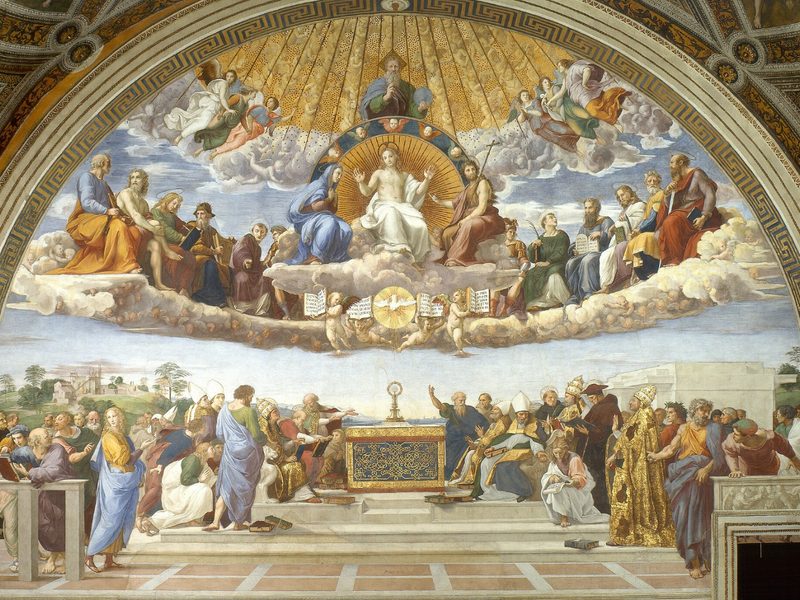
"Doctor" comes from the Latin word for teacher. The Church gives the title Doctor of the Church to saints whose writing and teaching shed special light on the faith. Only 38 have received it: bishops, monks, mystics and four women.
The first doctors · 1298 to 1588
1298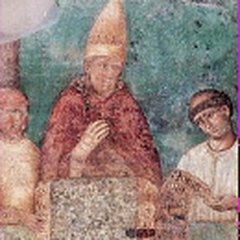
Boniface VIII names the first four: Ambrose, Augustine, Jerome and Gregory the Great.
The title Doctor of the Church honors saints whose teaching is especially sound and influential. Pope Boniface VIII officially recognized these four great Latin Fathers: Ambrose, bishop of Milan, Augustine of Hippo, Jerome, translator of the Latin Vulgate Bible, and Pope Gregory the Great. Their writings had already shaped Western theology and worship for centuries.
1568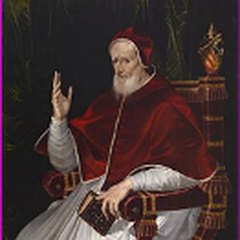
Pius V names Thomas Aquinas (1567) and four great Eastern doctors: Athanasius, Basil, Gregory of Nazianzus and John Chrysostom.
Pius V, a Dominican pope, honored his fellow Dominican Thomas Aquinas, whose synthesis of faith and reason had been central at the Council of Trent. He also recognized four leading Greek Fathers of the fourth century, whose writings defended the Trinity and shaped preaching and worship. Together with the Latin four, they formed a balanced group of Eastern and Western teachers.
1588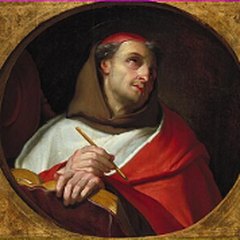
Bonaventure, the Franciscan theologian, is named.
Pope Sixtus V, himself a Franciscan, named Bonaventure, who had led the Franciscan order and taught at the University of Paris alongside Thomas Aquinas. Known as the Seraphic Doctor, he blended rigorous theology with deep mystical devotion, notably in his Journey of the Mind to God. He died in 1274 during the Second Council of Lyon.
Growing the list · 1830 to 1946
1830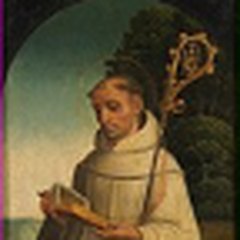
Bernard of Clairvaux is named.
Bernard was the leading figure of the Cistercian monks in the twelfth century and founded the abbey of Clairvaux. A powerful preacher and writer, he advised popes and kings and preached the Second Crusade. Pope Pius VIII named him a doctor, and he is often called the Mellifluous Doctor for the sweetness of his writings on the love of God and Mary.
1871Alphonsus Liguori, patron of moral theologians, is named.
Alphonsus was an Italian lawyer turned priest and bishop who founded the Redemptorists to preach to the rural poor. His moral theology steered a gentle middle path between harshness and laxity in guiding consciences. Pius IX named him a doctor, and his devotional writings, including works on Mary and the Stations of the Cross, remain popular.
1877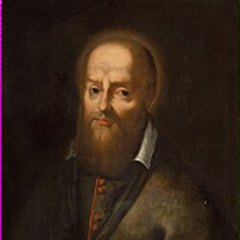
Francis de Sales, author of Introduction to the Devout Life, is named.
Francis de Sales was bishop of Geneva during the turbulent years after the Reformation, known for his gentleness and patience. His book taught that ordinary laypeople, not only monks and nuns, are called to holiness in daily life. Pius IX named him a doctor, and he was later declared patron of writers and journalists.
1899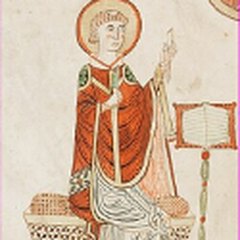
Bede, the English historian, is named.
Bede was a monk at Jarrow in northern England who wrote on Scripture, science and time-keeping. His Ecclesiastical History of the English People is a key source for early English history and helped popularize dating years from the birth of Christ. Pope Leo XIII named him a doctor, and he is often called the Venerable Bede.
1931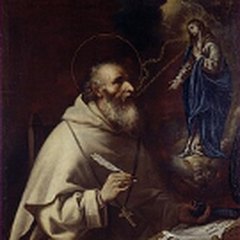
Albert the Great and Robert Bellarmine are named.
Albert the Great was a Dominican scholar famed for his work in natural science and philosophy, and was the teacher of Thomas Aquinas. Robert Bellarmine was a Jesuit cardinal and theologian of the Catholic Reformation known for his catechisms and defense of Church teaching. Pope Pius XI honored both in 1931, shortly after canonizing each of them.
1946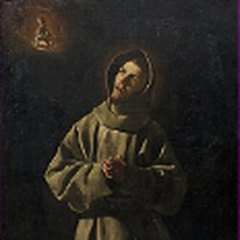
Anthony of Padua is named.
Born in Lisbon, Anthony joined the Franciscans and became a celebrated preacher in Italy and France, renowned for his knowledge of Scripture. He died young near Padua and was canonized within a year. Pope Pius XII named him the Evangelical Doctor, and he is widely loved as the patron saint of lost things.
Women and new voices · 1970 to 2025
1970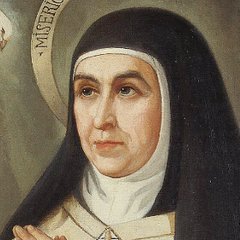
Teresa of Ávila and Catherine of Siena become the first women doctors.
Pope Paul VI honored two remarkable women within days of each other: Teresa of Avila reformed the Carmelite order and wrote spiritual classics such as The Interior Castle. Catherine of Siena, a Dominican laywoman, wrote The Dialogue and boldly urged the pope to return from Avignon to Rome. Their recognition affirmed that women can be authoritative teachers of the faith.
1997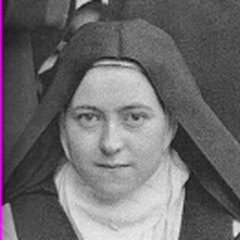
Thérèse of Lisieux is named.
Thérèse was a French Carmelite nun who died of tuberculosis at age 24 in 1897. Her autobiography, Story of a Soul, describes her Little Way of trusting God and doing small things with great love, and it became a worldwide spiritual classic. Pope John Paul II named her a doctor on the centenary of her death, making her the youngest doctor.
2012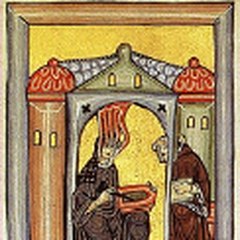
Hildegard of Bingen and John of Ávila are named.
Pope Benedict XVI honored two very different figures. Hildegard was a twelfth-century German Benedictine abbess, visionary, composer and writer on theology and natural medicine. John of Avila was a sixteenth-century Spanish priest and preacher, called the Apostle of Andalusia, who advised saints such as Teresa of Avila and promoted the training of clergy.
2015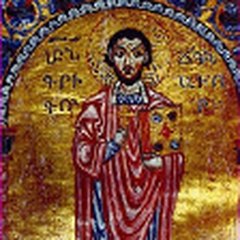
Gregory of Narek, the Armenian monk and poet, is named.
Gregory lived around the tenth century and is beloved in Armenia for his Book of Lamentations, a long poetic prayer of repentance and trust in God's mercy. Pope Francis named him a doctor in 2015, the year marking a century since the Armenian genocide. He was the first doctor from the Armenian tradition, honoring a church outside the Latin and Greek mainstream.
2022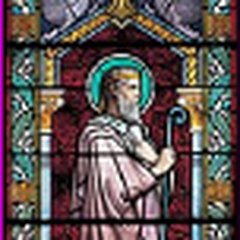
Irenaeus of Lyon is named "Doctor of Unity".
Irenaeus was a second-century bishop of Lyon who had known Polycarp, a disciple of the apostle John. His work Against Heresies defended the faith against Gnostic teachings and stressed unity with apostolic tradition. Pope Francis gave him the title Doctor of Unity because his life and teaching bridged the Christian East and West.
2025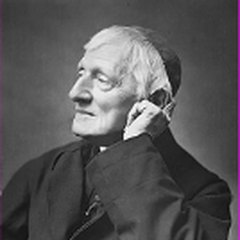
John Henry Newman is proclaimed the 38th doctor by Leo XIV.
John Henry Newman was an Anglican clergyman and leader of the Oxford Movement who became a Catholic in 1845 and later a cardinal. His writings on conscience, the development of doctrine and university education remain influential. Pope Leo XIV proclaimed him a doctor during the Jubilee of the World of Education and also named him a co-patron of Catholic education alongside Thomas Aquinas.